Introduction
When it comes to maintaining the integrity and appearance of your home, the importance of roof cleaning cannot be overstated. A clean roof not only enhances curb appeal but also extends the lifespan of your roofing materials. With various methods available for cleaning roofs, including steam cleaning, pressure washing, and soft washing, homeowners often wonder which is the best option. In this comprehensive guide, we’ll delve into Steam Cleaning vs. Other Methods: Is It Safe for Your Roof? and help you determine the safest and most effective way to keep your roof in top condition.
What is Roof Cleaning Called?
Roof cleaning, often referred to as "roof maintenance" or "roof restoration," involves removing dirt, algae, moss, lichen, and other debris from the surface of a roof. Not only does this process improve the aesthetics of your home, but it also prevents damage that could lead to costly repairs down the line.
Why Is Roof Cleaning Necessary?
You might ask yourself, Is roof cleaning a good idea? The answer is a resounding yes! Over time, debris can accumulate on your roof leading to potential problems like water pooling and leaks. Regular cleaning helps maintain a healthy roof that lasts longer.
How Often Should Your Roof Be Cleaned?
Most experts recommend that you clean your roof at least once every two years. However, if you live in an area with high humidity or heavy rainfall, you may need to clean it more often—perhaps annually.
Factors Influencing Cleaning Frequency
- Climate: Humid environments promote moss and algae growth. Surroundings: Trees shedding leaves can contribute to debris accumulation. Roof Type: Certain materials may require more frequent maintenance.
What Happens If You Don't Clean Your Roof?
Neglecting roof maintenance can lead to severe consequences:
- Structural Damage: Accumulated debris can trap moisture. Mold Growth: This not only affects your roof but can also enter your home. Shortened Lifespan: Dirty roofs wear out faster due to deterioration.
Steam Cleaning vs. Other Methods: An Overview
When considering various cleaning methods, it's crucial to understand their pros and cons.
Steam Cleaning: The Basics
Steam cleaning uses high-temperature steam to eliminate dirt and contaminants without harsh chemicals. It's touted for being eco-friendly and incredibly effective against stubborn stains.
Pressure Washing: A Popular Alternative
Pressure washing involves using high-pressure water jets to remove dirt and grime. While effective for many surfaces, it poses risks such as damaging shingles or driving water underneath roofing materials.
Soft Washing: The Gentle Approach
Soft washing combines low pressure with specialized solutions designed for cleaning roofs gently yet effectively. This method minimizes damage while ensuring thorough cleansing.
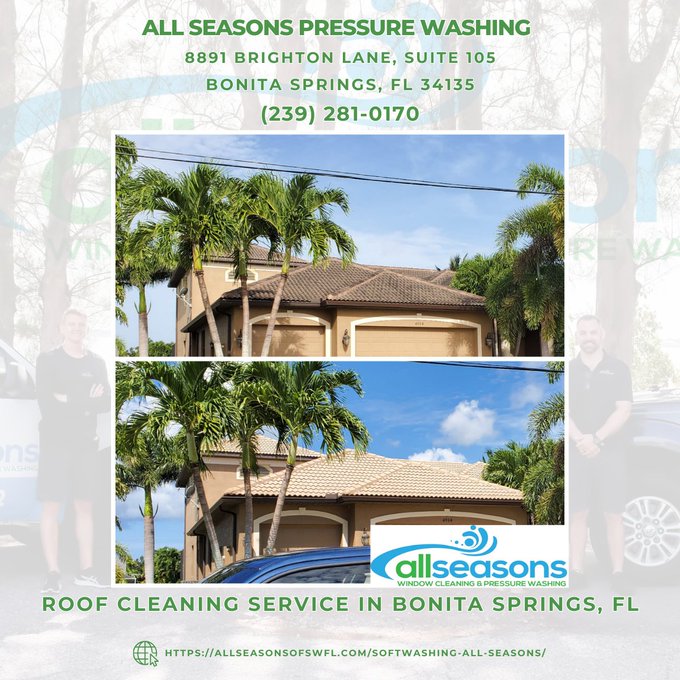
Is Steam Cleaning a Roof Safe?
When considering whether is steam cleaning a roof safe?, it's essential to factor in multiple elements:
Roof Material: Some materials are more susceptible than others; asphalt shingles may not withstand steam as well as tile roofs. Temperature Control: Proper temperature management during steam cleaning is crucial. Professional Experience: Choosing experienced professionals can mitigate risks associated with improper techniques.The Best Method for Roof Cleaning
So what is the best method of roof cleaning? The answer often varies depending on individual circumstances:
- For environmentally conscious homeowners: consider steam or soft washing. If immediate results are needed: pressure washing may be appropriate (with caution).
Each method has its advantages; determining which works best hinges on factors such as budget, urgency, and roofing material.
How Long Does It Take to Clean a Roof?
Cleaning a roof typically takes anywhere from 1 to 3 hours depending on several factors:
- Size of the roof Type of cleaning method used Accessibility issues
Planning ahead can help streamline this process!
Cost Considerations for Roof Cleaning
The cost associated with professional roof cleaning services usually ranges from $300 to $600 depending on various factors:
| Service Type | Average Cost Range | |----------------------|--------------------| | Steam Cleaning | $400 - $800 | | Pressure Washing | $300 - $700 | | Soft Washing | $350 - $650 |
While these figures provide a general outline, it's wise to obtain quotes from multiple services for accurate estimates.
Can I Clean My Roof Myself?
You might wonder: Can I clean my roof myself? Yes! However, there are various considerations:
Safety First!
Always prioritize safety when attempting DIY projects:
- Use sturdy ladders Wear safety gear Avoid steep slopes
DIY Methods Explained
If you're up for it:
Use a broom or leaf blower to remove loose debris. Mix safe chemical solutions (like dish soap) with water in a sprayer. Rinse thoroughly after applying solutions.However, if you're unsure about climbing onto your rooftop or dealing with chemicals safely—it's best left to professionals!
What Do Pros Use To Clean Roofs?
Professionals typically utilize specialized equipment tailored specifically for each type of job:
- Commercial-grade pressure washers Chemical sprayers designed for soft wash applications Steam cleaners intended solely for roofing tasks
They also have access to industrial-grade solutions that might not be readily available at retail stores!
How Long Does Soft Washing A Roof Last?
Soft washing provides lasting effects generally ranging between 2–5 years before reapplication becomes necessary due primarily due environmental elements like sun exposure or nearby vegetation growth impacting cleanliness levels over time!
Does Roof Cleaning Extend The Life Of A Roof?
Absolutely! Regularly maintaining your rooftop through appropriate methods significantly contributes towards prolonging its lifespan by preventing premature deterioration caused by mold growth or moisture buildup leading ultimately towards costly repairs down line!
FAQs About Roof Cleaning
1. Should I Pressure Wash My Roof? Pressure washing is generally not recommended unless absolutely https://podcastle.ai/show/pressure-washing-in-cape-coral-fl-all-seasons-window-cleaning-and-pressure-washing-PtwTLJ4G/can-roof-cleaning-prevent-moss-growth-in-cape-coral-fl-insights-from-all-seasons-window-cleaning-and-pressure-washing-P195bblF necessary since it can damage shingles and drive moisture underneath them leading potentially towards leaks!
2. What Chemical Is Used To Clean Roofs? Commonly utilized chemicals include sodium hypochlorite (bleach) diluted with water along with other specialized products meant specifically formulated targeting mold/mildew/algae growth effectively while remaining safe overall!
3. Can I Walk On My Roof To Clean It? While possible under certain conditions if done safely—but caution should always take precedence here as falls pose serious risks especially considering slippery surfaces!
4. How Much Does It Cost To Coat A Roof? Cost varies widely depending upon size/type/materials involved ranging anywhere from $1-$3 per square foot average—always best checking around local providers beforehand!
5. How Long Does It Take For Roof Cleaner To Work? Typically anywhere between 20 minutes up until several hours depending upon product chosen/methodology applied—patience remains key here so allow ample time before rinsing off afterward!
6. Should You Rinse A Rooftop After Washing? Yes indeed—it’s highly advisable rinse thoroughly following application any cleaner ensuring no residue left behind which could potentially harm surrounding vegetation over prolonged periods thus safeguarding environment overall!
Conclusion
In summary, when pondering over Steam Cleaning vs. Other Methods: Is It Safe for Your Roof?, it’s critical to assess both benefits alongside drawbacks associated respective techniques available today! Each method has its unique strengths making one preferable over another dependent upon personal situation/environmental context involved here too so weigh carefully before proceeding forward finally deciding how best approach keeping rooftop pristine condition long term ultimately extending lifespan thereof successfully preserving investment made into home overall—after all nothing beats having peace mind knowing protecting dwelling adequately ensures longevity happiness therein too!